Barista & Food Service Interview Questions: Real Guide
Barista and food service interview questions, the rush-hour and difficult-customer scenarios that actually decide hiring, and how working interviews work.
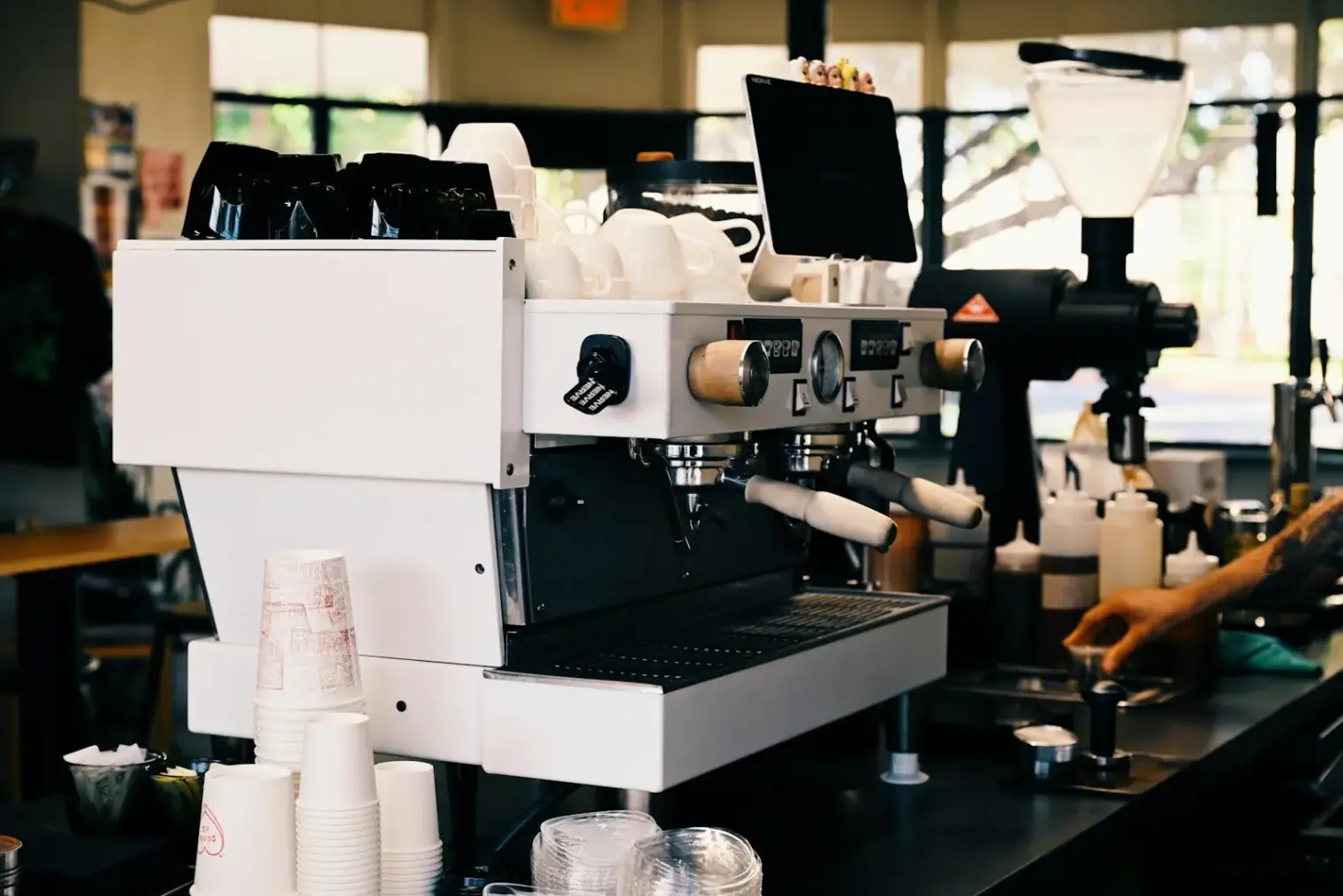
TL;DR: Barista and food service interviews are decided less by your resume and more by how you answer one or two scenario questions — a rush of orders, a customer complaint, a coworker disagreement — plus, in many hiring processes, an actual working interview or group interview format that most candidates don't expect. Prepare specific stories for the pressure scenarios, ask upfront whether a trial shift is paid, and you'll be ahead of most people walking in.
The US restaurant industry is projected to employ close to 15.8 million people in 2026, and the National Restaurant Association flags a shrinking pool of 16–24-year-old workers as a structural hiring challenge — which means the hiring bar per opening keeps climbing even as this stays one of the largest entry-level job categories on the planet. If you're prepping for a barista, server, cashier, or fast-food role, the generic "top 10 questions" listicles miss the part that actually decides most of these interviews: a scenario question built to see how you handle real pressure, and formats — working interviews, group interviews — that don't show up in office-job prep at all.
The Questions That Actually Decide the Interview
Every food service interview covers the basics: why this job, your availability (early mornings, weekends, and holidays are usually a hard requirement, not a preference question), and whether you've done anything similar before. None of those are where candidates get eliminated.
The question that actually separates candidates is a scenario question, almost always one of these three:
- "How do you handle a rush — a long line, or multiple orders coming in at once?" Managers aren't looking for "I stay calm." They're listening for whether you can describe an actual triage method: what you do first when three things need attention at once.
- "What would you do if a customer says their order is wrong, or demands a refund?" This tests de-escalation, not policy knowledge. A concrete story — acknowledge, offer a fix, involve a manager only if needed — beats a rehearsed script every time.
- "Tell me about a time you disagreed with a coworker about how to handle a difficult customer." Less common but increasingly asked, because it tests whether you can handle friction with a teammate in a fast-paced environment without it becoming a bigger problem.
If the role is closer to a call center or dedicated support desk than a counter, the questions get more structured — the customer service interview guide covers that version of the angry-customer scenario in more depth.
If you've never worked in food service, you don't need a food service example. A busy retail shift, a chaotic school event, or any situation where you had to keep multiple things moving under time pressure demonstrates the same pattern — as long as you name the specific thing you did, not just that you "handled it."
Two Sample Answers That Actually Show the Pattern
Rush-hour scenario: "At my last job at a smoothie counter, we'd get slammed right at the 8am rush before people's shifts started, sometimes six or seven orders backed up at once. What I did was call out order numbers as I started each one instead of waiting until it was done, so people in line could see progress instead of just staring at a silent counter — it cut down on people asking 'how much longer' constantly, which let me actually focus on the drinks instead of managing the line's anxiety. My manager mentioned in my review that customers specifically commented on the calm vibe during rush, even when the line was long."
Difficult customer scenario: "A customer once came back to the counter saying their sandwich had the wrong bread and they were already late for a meeting. Instead of explaining our process, I apologized first, remade it in under two minutes while a coworker got them a free drink to go, and told them directly it would be ready before they needed to leave. They ended up thanking us on the way out instead of leaving upset — the fix mattered less than making them feel heard in the first ten seconds."
The Formats Unique to This Industry
Unlike most office-job interviews, food service hiring uses formats that catch a lot of first-time applicants off guard.
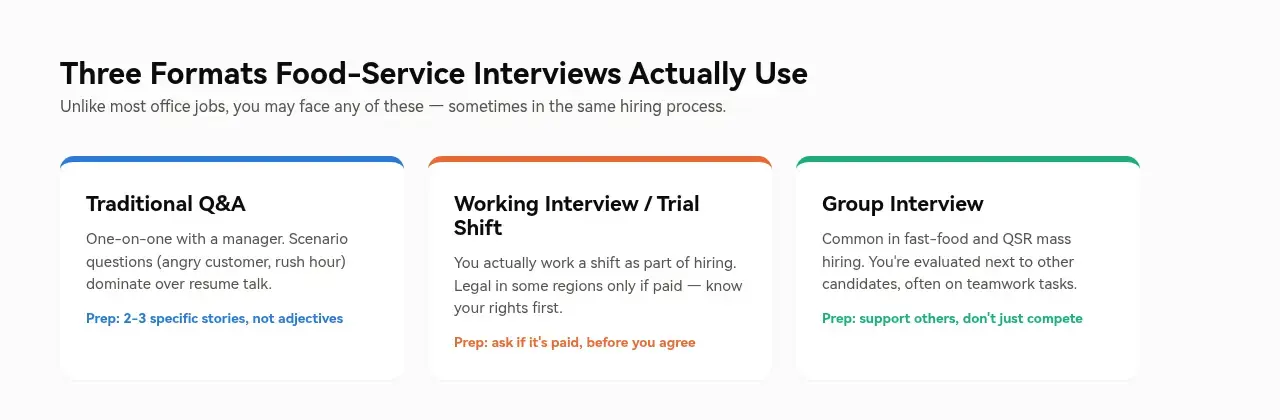
Working interviews (trial shifts). Some employers ask you to actually work part of a shift — making drinks, running food, bussing tables — as part of deciding whether to hire you, rather than just talking through hypotheticals. This is where you need to know your rights: in the US, the Department of Labor's wage and hour rules generally require you to be paid at least minimum wage for a working interview, because you're performing real, productive labor for the business, not just being observed. Ask directly — "is this shift paid?" — before you agree to it. Unpaid trial shifts are a real and recurring complaint among food service workers online, and you're allowed to ask the question without it counting against you.
Group interviews. Especially common in fast-food and quick-service restaurant (QSR) mass hiring, where a manager interviews several candidates together, sometimes with a shared task. What's being evaluated isn't just your answers — it's how you interact with the other candidates in the room. Actively including a quieter candidate or handling a disagreement calmly tends to stand out far more than trying to out-talk everyone else.
Practicing Before the Real Thing
The gap in most food-service interview prep isn't information — every listicle online covers the same ten questions. What's missing is a way to actually rehearse the pressure: saying your rush-hour answer out loud, at a normal pace, without freezing when the "customer" in the scenario question keeps pushing back. If you're using a real-time interview copilot like AceRound to prep, this is exactly the situation it's built for — a live prompt when a follow-up catches you off guard is more useful here than another static list of sample answers, especially for a first job where you haven't sat through many interviews yet. If English isn't your first language, the AI interview help for non-native English speakers guide covers phrasing tips that apply directly to fast-paced scenario questions like these.
Frequently Asked Questions
What questions do they ask in a barista or food service interview? Beyond the standard "why do you want to work here" and availability check, expect at least one scenario question built to see how you think under pressure: handling a long line or rush of orders, a customer complaining about a wrong drink or meal, or a disagreement with a coworker about how to handle a difficult guest. Managers weight the scenario answer more heavily than your resume for entry-level food service roles.
What's a working interview or trial shift, and is it legal? A working interview is when you're asked to actually work part of a shift — making drinks, taking orders, bussing tables — as part of the hiring process, rather than just talking about how you'd handle it. Whether it's legal depends on your region: in the US, the Fair Labor Standards Act generally requires you to be paid at least minimum wage for a working interview, since you're performing real, productive work. Ask directly whether the shift is paid before you agree to it.
How should I answer "how do you handle an angry or difficult customer"? Use a specific past example rather than a general philosophy. Structure it as: what the customer was upset about, exactly what you said and did first (usually acknowledging the problem before offering a fix), and how it ended — ideally with a concrete outcome like a replaced order or a manager not needing to step in. If you don't have restaurant experience yet, a retail, tutoring, or even babysitting example that shows the same de-escalation pattern works fine.
What is a group interview in food service hiring, and how is it different? Group interviews are common in fast-food and quick-service restaurant (QSR) mass hiring, where several candidates are interviewed or given a task together instead of one-on-one. Managers are watching how you interact with the other candidates, not just your individual answers — actively including quieter candidates or handling a disagreement calmly tends to stand out more than trying to dominate the conversation.
I have no restaurant experience — what do I say when asked about a rush-hour scenario? Borrow the pattern from any job or unpaid experience where you had to keep multiple things moving under time pressure — a busy retail shift, a school event, even coordinating a family gathering. The interviewer is testing whether you can prioritize and stay calm when things pile up, not whether you've specifically worked an espresso bar before. Name the specific thing you did to triage, not just that you "stayed calm."
Author · Alex Chen. Career consultant and former tech recruiter. Spent 5 years on the hiring side before switching to help candidates instead. Writes about real interview dynamics, not textbook advice.
Related Articles
Meesho SDE-1 Interview Process for Freshers: Three 2025 Accounts Compared
Meesho SDE-1 campus accounts from 2025 disagree on test length, round order and design format. Here is what each reported and how to prep for any of them.
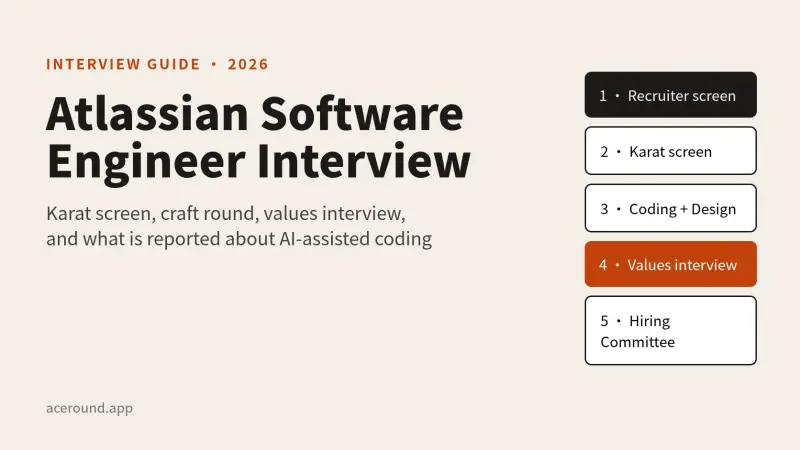
Atlassian Software Engineer Interview: Karat Screen, Craft Round and the Values Interview
How Atlassian's engineering loop works, from the Karat screen to the values round, what is official and what candidates report, including the AI-assisted rounds.
LinkedIn's AI-Enabled Coding Interview: What Candidates Report and How to Prepare
LinkedIn reportedly swaps one coding round for a CoderPad session with an AI panel. Here is the reported format, what gets scored, and what is unconfirmed.