Electrician Interview Questions and Answers
Electrician interview questions and answers for apprentice, journeyman, and IBEW interviews — plus where AI prep actually helps and where it can't.
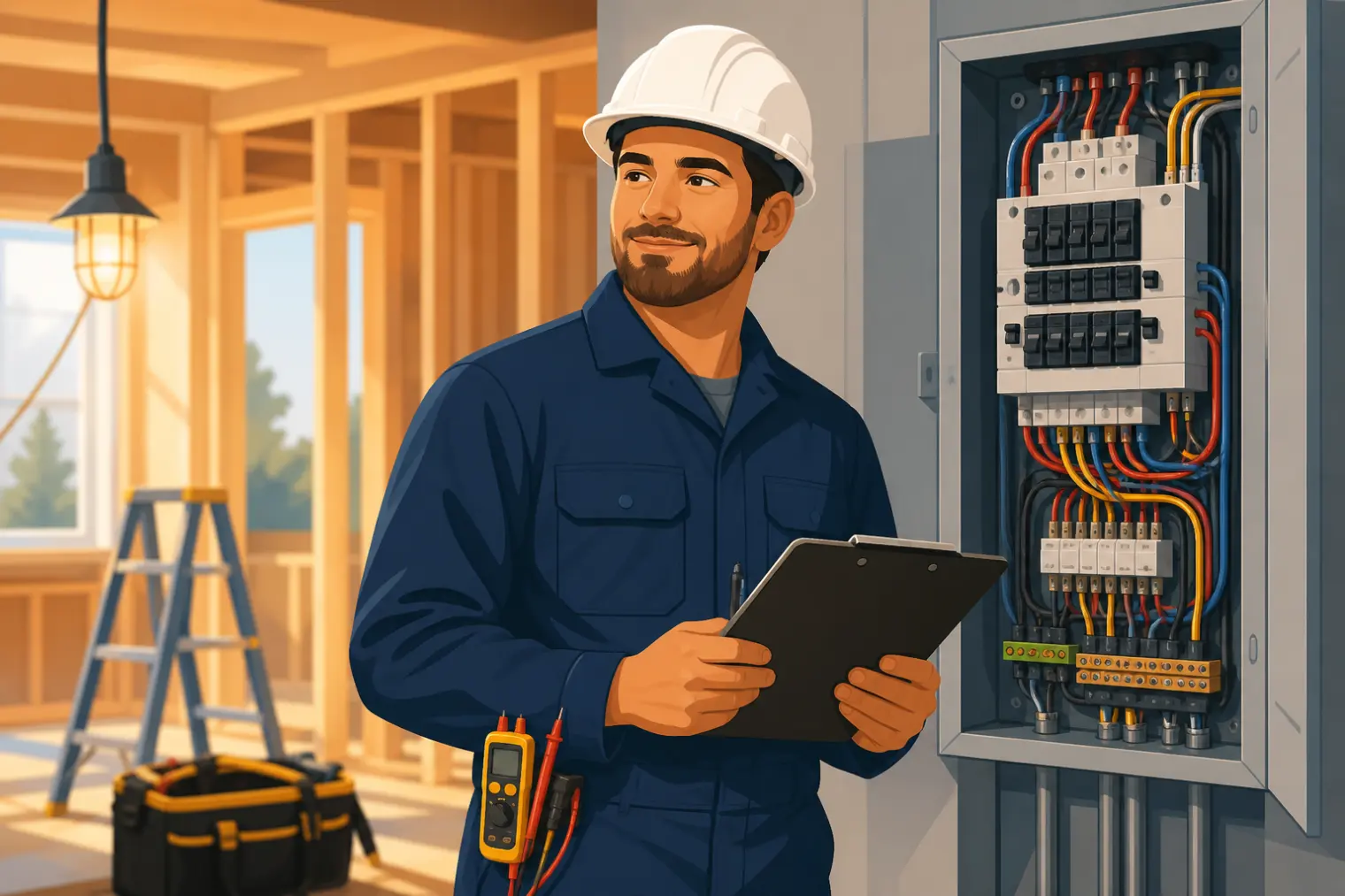
TL;DR: Electrician interview questions and answers split into three buckets — motivation, qualifications, and NEC code/safety knowledge — and the format itself varies more than most trades: a five-minute phone screen from a staffing agency, a sit-down with a general contractor, or a formal IBEW committee interview after an aptitude test. AI interview prep genuinely helps with the phone and video pre-screen layer — rehearsing motivation answers and reviewing code basics — but it can't and shouldn't claim to help during an in-person panel or a hands-on practical test, where real trade knowledge carries you.
Most "electrician interview questions" content assumes one interview format. In practice, electricians face at least three different ones: a quick phone call from a staffing agency or a contractor who got your name from a referral, a sit-down interview with a general contractor's project manager, or — if you're going the union route — a formal IBEW aptitude test followed by a committee interview that ranks you on a waitlist. Knowing which one you're walking into changes how you should prepare.
What Makes an Electrician Interview Different
Unlike most office-based roles, an electrician interview is judged as much on demonstrated trade knowledge as on how you present yourself. Interviewers are checking for real fluency in NEC (National Electrical Code) fundamentals, safety protocol (lockout/tagout, GFCI and AFCI requirements, PPE), and licensing status — apprentice hours logged, journeyman card, or master electrician license depending on the role. Questions also split sharply by experience level: an apprentice candidate gets asked about motivation and willingness to learn, while a journeyman or master candidate gets scenario-based technical questions ("you walk into a room and none of the lights work — what's your process?") and, at the master level, questions about training apprentices and making code-compliance judgment calls. It helps to walk in informed: in the US, the Bureau of Labor Statistics projects about 9% job growth for electricians from 2024 to 2034 — faster than average — with a 2024 median wage of roughly $62,350 a year, so interviewers are often filling roles in a genuinely competitive hiring market.
Common Electrician Interview Questions
Motivation and background
- Why did you want to become an electrician?
- What do you think makes a good electrician?
- Walk me through your training and hands-on experience.
Technical and safety knowledge
- How do you approach lockout/tagout on an active panel?
- What's your process for checking a 3-phase motor?
- Walk me through a load calculation for a residential panel upgrade.
- What NEC updates have you had to apply recently — the 2026 NEC changes to arc-fault protection and EV charging circuits are a common current-events question for journeyman-level interviews.
Scenario and troubleshooting
- You walk into a room and all the lights are off. What do you check first?
- Describe a time you had to diagnose a problem that wasn't where you expected it.
Behavioral
- Tell me about a time you had to correct unsafe work on a job site.
- How do you handle a disagreement with a GC or site supervisor about a code requirement?
The IBEW/Union Apprenticeship Interview: A Different Format
If you're applying through an IBEW local's Joint Apprenticeship and Training Committee (JATC), the process looks nothing like an at-will contractor interview. You take an aptitude test first, then sit for a committee interview — often 10 to 20 minutes — and your combined test score and interview performance determine your rank on a waitlist for apprenticeship openings. Committees weight motivation and reliability heavily: "why do you want to be an electrician," "what makes a good electrician," and "how did you hear about this apprenticeship" come up consistently across real candidate accounts. This is worth preparing for specifically — generic "electrician interview questions" advice built around a contractor interview doesn't map cleanly onto a ranked committee format.
Where AI Interview Prep Actually Helps (and Where It Can't)
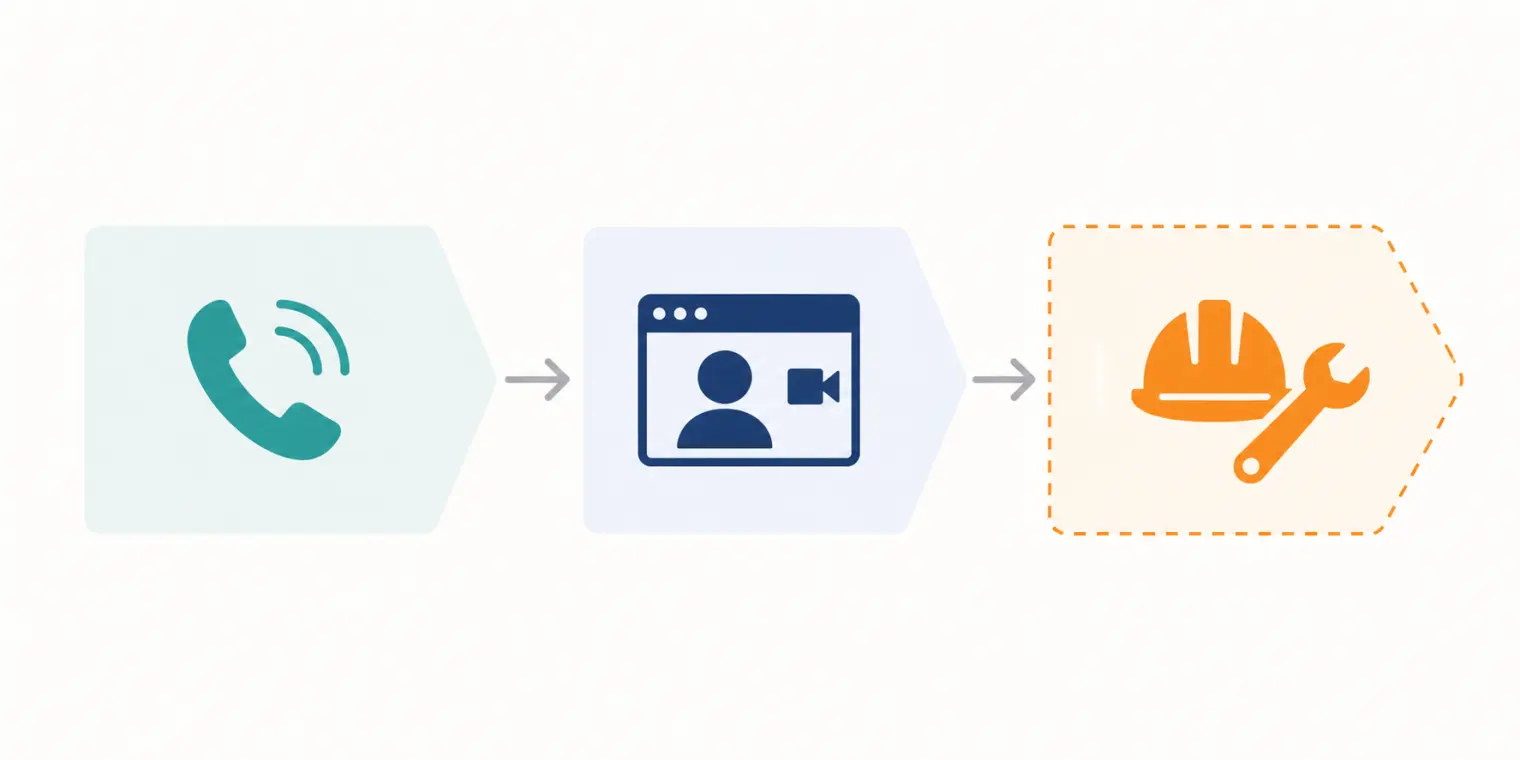
Be honest about this one: electrician interviews are mostly in-person, and some stages are hands-on practical assessments. A real-time AI copilot can't and shouldn't claim to help you bend conduit correctly or diagnose a live panel fault in front of an evaluator — that's real trade skill, not something to fake in the moment.
Where AI prep genuinely helps is earlier in the process: rehearsing your motivation and experience answers before a phone interview with a staffing agency or recruiter (a very common first step in this trade — several real candidates describe their entire "interview" as a phone call from a referral), practicing responses for a video pre-screen with a GC or union local before an in-person round, and reviewing NEC code fundamentals so you walk into a technical question with the right vocabulary rather than blanking. That's the honest scope, and it's still real value — most electrician candidates get zero structured practice before either interview type.
How to Use AceRound for an Electrician Interview
For the phone-screen and video pre-screen stages, AceRound works the same way it does for any live call: it listens in real time and surfaces structured suggestions for motivation, background, and behavioral questions as they come up, so you're not scrambling to structure an answer on the spot. Pair that with a manual NEC code review beforehand — AceRound doesn't substitute for actually knowing the code, but it can help you rehearse how you'd explain what you know clearly and confidently.
For more on how real-time AI interview help works across different formats, see our guide on AI phone screen interview tips and our breakdown of behavioral interview questions for structuring STAR-style answers.
FAQ
What questions are asked in an electrician interview?
Expect three buckets: motivation (why you chose the trade, why this employer), qualifications (your training, licensure, and hands-on experience), and technical/safety knowledge (NEC code basics, LOTO and GFCI/AFCI protocols, load calculations, conduit bending). Apprentice interviews lean toward motivation and aptitude; journeyman and master interviews lean harder into code knowledge and how you've handled real troubleshooting or supervised apprentices.
What should I wear to an electrician interview?
Clean, work-appropriate clothes are the norm and expected — you don't need a suit. For an office-based interview with a contractor or GC, business casual (clean pants, collared shirt) is safe. For an on-site or shop interview, clean work clothes or a clean version of what you'd wear on the job are completely appropriate and often what interviewers expect to see.
How does the IBEW apprenticeship interview work?
It's a different process from an at-will contractor interview. You typically take an aptitude test first, then interview with a panel or committee (often 10 to 20 minutes), and your interview plus test score determines your rank on a waitlist for open apprenticeship slots. Committees weigh motivation questions heavily — "why do you want to be an electrician" and "what makes a good electrician" are asked often — alongside basic aptitude and reliability signals.
Can AI help me prepare for an electrician interview?
For the parts that happen over a phone call or video pre-screen — with a staffing agency, general contractor, or union local — yes: rehearsing your motivation answers, structuring your experience into clear stories, and reviewing NEC code basics beforehand all help. AI real-time help during an in-person IBEW committee interview, a hands-on practical test, or a live troubleshooting assessment isn't realistic or honest to promise — those depend on real trade knowledge and practiced hand skills, not something a copilot can feed you in the moment.
What's the difference between an apprentice, journeyman, and master electrician interview?
Apprentice interviews test aptitude, motivation, and reliability — you're not expected to know the trade yet. Journeyman interviews test real NEC code knowledge, safety protocol fluency, and hands-on troubleshooting experience, often through scenario questions. Master electrician interviews add supervisory and business judgment — how you train apprentices, manage a jobsite, and make code-compliance calls under pressure.
Author · Alex Chen. Career consultant and former tech recruiter. Spent 5 years on the hiring side before switching to help candidates instead. Writes about real interview dynamics, not textbook advice.
Related Articles
OpenAI's AI Interview Policy: Banned, Required, or Team-Dependent
OpenAI sells AI coding agents, then bans most candidates from using one. Here's the round-by-round policy, including the new agentic round that flips it.
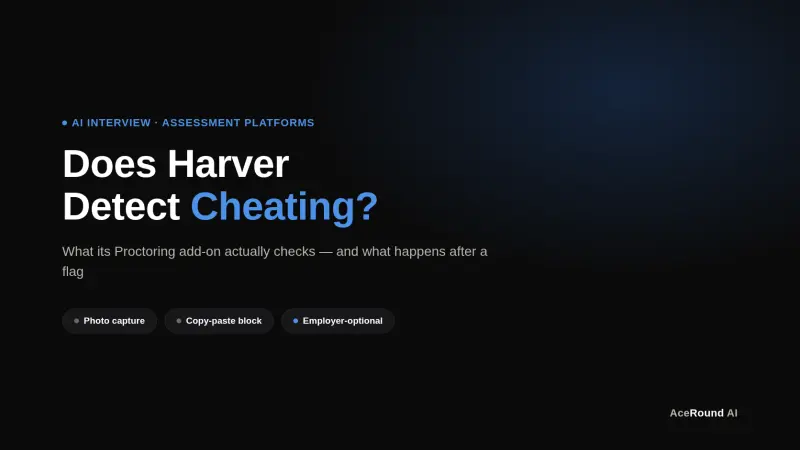
Does Harver Detect Cheating? What Its Proctoring Actually Checks
Does Harver detect cheating on its pre-employment assessments? A candidate look at Harver's Proctoring add-on, what gets logged after a flag, and what happens next.
Micro1's Zara AI Interview: What It Actually Tests (And Why Timing Gets Flagged)
Micro1's AI interviewer Zara has run 300,000+ interviews for remote roles. Here's why it flags response latency as a cheating signal, and what that means for AI prep.