Apple Behavioral Interview Preparation: The Hidden Framework Guides Don't Cover
How to prepare for Apple's behavioral interview process — including the unofficial 'Why > How > What' filter, culture fit bar, and real questions from candidates.
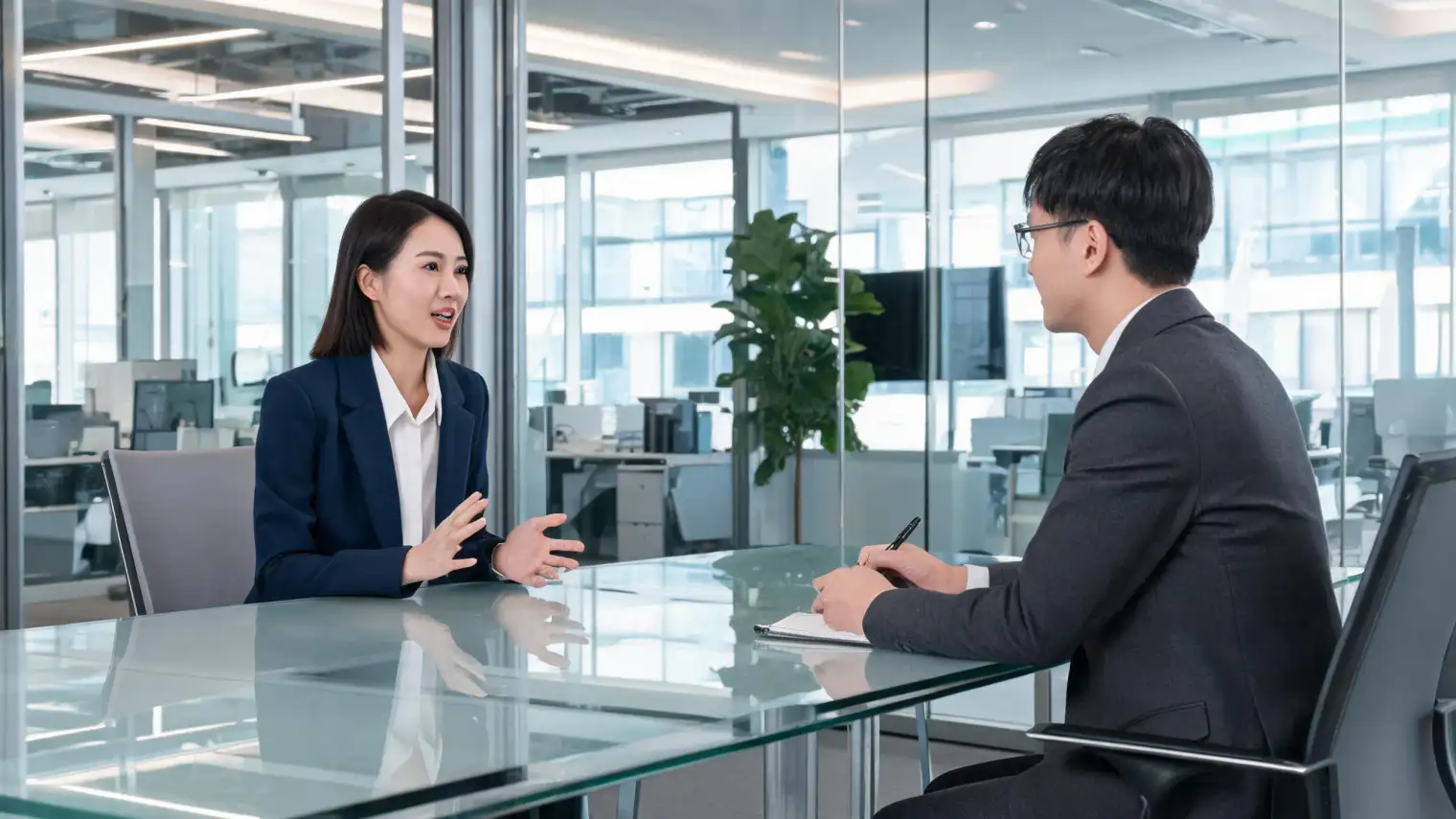
TL;DR: Apple behavioral interview preparation is harder than Amazon or Google because there's no published framework to study. Apple's actual filter — unofficial but consistent across candidates — weights enthusiasm for the product above all, then judges how you think (your why and how) before what you did (your what). This guide decodes that filter and shows how to prepare for it.
If you've prepared for Amazon or Google behavioral rounds, you know exactly what to study. Amazon published 16 Leadership Principles. Google's Googleyness rubric is well-documented. Apple published nothing comparable — and that blank space is intentional.
The result: most candidates prepare for Apple behavioral interviews the same way they'd prepare for any behavioral interview. Generic STAR answers, generic company research, generic "Why Apple?" prep. Then they get in the room and face questions that feel oddly personal, surprisingly product-specific, and difficult to answer without a genuine stake in what Apple makes.
This guide explains what Apple is actually looking for, what the real process looks like in 2026, and how to prepare for a culture-fit bar that's informal enough to be dangerous.
Why Apple Behavioral Interviews Are Different
Apple's official Life at Apple page describes a hiring framework built on three E's: Enthusiasm, Expertise, and Experience. The order matters. Enthusiasm comes first.
This is unusual. At most companies, past results (experience) and technical depth (expertise) carry the most weight. At Apple, caring about the product is evaluated before either. Interviewers sourced by interviewing.io — engineers who have been in Apple hiring loops — are explicit about this: the single most reliable disqualifier in an Apple behavioral loop is not giving a bad STAR answer. It's not using Apple products, or not being able to speak about them with genuine conviction.
The informal rubric: Why > How > What
Unlike Amazon's Leadership Principles (which are named, numbered, and published) or Google's Googleyness criteria (which have been well-documented through leaks and Glassdoor reports), Apple's behavioral evaluation follows no formal rubric. What interviewers apply in practice, according to the interviewing.io guide and consistent Glassdoor candidate reports, is something closer to this:
- Why: Why do you care about this? Do you actually use Apple products? Do you have a real reason to be here beyond compensation?
- How: How do you work? How do you think? How do you handle ambiguity?
- What: What did you do? What were the results?
Notice that what — the "Result" component of STAR — is evaluated last. This is the opposite of how most candidates prepare.
Apple Interview Process 2026: What to Expect
Based on Glassdoor's aggregate of 11,000+ Apple interview reports, the process averages 29 days and has a 64% positive experience rate.
Typical flow:
-
Recruiter screen (30 min): Role fit, work authorization, compensation range. Conversational, rarely technical.
-
Hiring manager call (45–60 min): Part behavioral, part technical context. This is where the "Why Apple?" question often first appears. Answers that reference specific products, features, or design decisions get noted.
-
Technical screen (if applicable): Coding for engineering roles, case analysis for PM/strategy, portfolio review for design. Behavioral questions appear here too.
-
Onsite / virtual loop (4–6 sessions): Each session is typically 45–60 minutes, with 1–2 interviewers. Expect a mix of technical depth and behavioral rounds. One session is often with the team lead or department head — this is where culture fit carries the most weight.
-
Debrief and offer: Apple does internal debrief meetings where interviewers advocate for or against a candidate. Unlike some companies with a single "bar raiser," Apple's process is more collaborative, which means strong advocacy from one interviewer can matter significantly.
Regional note: Apple interviews globally use the same format. Apple Japan and Apple Korea run identical processes — English is typically required for engineering and corporate roles, with local language acceptable for retail and some operations roles.
Apple Behavioral Interview Questions That Actually Get Asked
These are not generated from question banks — they're drawn from Glassdoor reports, Reddit candidate accounts, and interviewing.io's sourced data.
Frequently reported questions:
-
"Tell me about a time you had to influence someone without authority." (Apple specifically — the company runs on cross-functional collaboration without formal authority structures.)
-
"Describe a time you made a mistake that impacted a customer. How did you handle it?" (The customer focus angle; Apple is intensely customer-centric, and they want to see what "customer" means to you.)
-
"When have you disagreed with your manager's decision? What happened?" (Particularly common in Apple Korea and Japan interviews, testing psychological safety in a hierarchical culture.)
-
"What Apple product do you use most? What would you change about it?" (This question is pass/fail for many interviewers — not because of the answer, but because of whether you have a genuine, considered response.)
-
"Tell me about a project where you had to balance perfection with shipping speed." (Core tension in Apple's product culture.)
-
"Have you ever been humbled? How did you respond?" (Reported more at Apple than any other major tech company — reflects a cultural emphasis on intellectual humility.)
For each of these, prepare a specific story. Apple interviewers consistently report that generic or composite answers ("generally in situations like this, I tend to...") score poorly. The more granular — specific meeting, specific product, specific numbers — the better.
Apple Culture Fit Interview: The Informal Bar
Apple has no published culture-fit rubric, which makes this the most preparation-resistant part of the interview. What interviewers apply in practice, according to multiple sourced accounts:
The informal "would I want to work with this person?" test. Apple's engineering culture values craft, directness, and a lack of performance. Candidates who code-switch into interview mode — becoming slightly more formal, more carefully diplomatic than they normally are — often register as inauthentic. The counterintuitive prep advice: practice being more yourself, not less.
Product obsession as a pass/fail filter. Interviewers across engineering, PM, design, and operations roles consistently cite this. You do not need to be an uncritical fan — genuine critique of specific products is fine and often impressive. What disqualifies candidates is indifference or surface engagement ("I like the MacBook because it's reliable").
Apple's siloed culture is a behavioral trap. Apple is famously compartmentalized. If you're preparing a story about cross-team collaboration, be careful about how much you reference what other teams were doing or what information you had access to. Experienced Apple interviewers flag candidates who seem to describe having visibility they shouldn't have had — it signals poor confidentiality awareness.
How to Use the STAR Method for Apple Interviews
STAR works at Apple, but the weighting shifts. Recalibrate yours:
| Component | Standard STAR | Apple STAR |
|---|---|---|
| Situation | 10–15% | 10–15% |
| Task | 10–15% | 5–10% |
| Action | 40–50% | 45–55% |
| Result | 25–30% | 20–25% |
The Action section is where Apple interviewers spend the most time. They want to understand how you think, not just what happened. Expect detailed follow-up on your Action: Why that approach? What did you consider first? Who did you consult? What would you have done differently?
Tips for the Result section: Quantify where you can, but Apple interviewers are skeptical of suspiciously clean metrics. "Reduced load time by 34%" without being able to explain how you measured it is worse than "we saw meaningful improvement in crash rates but didn't have a tight before/after measurement." Honesty about measurement gaps actually plays well at Apple.
Preparing for follow-ups: For every STAR story you prepare, practice answering these three follow-up questions:
- "Why did you approach it that way rather than [alternative approach]?"
- "What would you do differently if you were doing it today?"
- "How did the rest of the team respond to that decision?"
Using AI to Prepare for Apple's Behavioral Round
The challenge with Apple's culture-fit bar is that it's internalized through genuine exposure — you can't cram it from a question list. But you can accelerate the feedback loop.
A structured AI practice approach:
Step 1 — Build your story bank. Use ChatGPT or a similar tool to draft STAR answers for the 8–10 most commonly reported Apple behavioral questions. Focus the Action section on your reasoning and alternatives considered.
Step 2 — Pressure-test with follow-ups. For each answer, ask the AI to generate the 3 toughest follow-up questions an Apple interviewer would ask. Prepare answers to those too.
Step 3 — Practice delivery in real time. The gap between a polished written answer and a natural spoken answer is significant. Tools like AceRound AI let you practice with real-time AI guidance during spoken sessions — the same real-time prompting that's useful in live interviews can help you calibrate whether your spoken answers actually match the quality of your written prep.
For a broader view of how AI tools support behavioral interview prep across companies, see our behavioral interview questions guide and our STAR method breakdown.
FAQ
What's Apple's behavioral interview like compared to Amazon's LP-style or Google's format? Less structured than either. Amazon's LPs give you a clear rubric. Google's Googleyness criteria have been documented extensively. Apple has no published framework — interviews feel more conversational and the culture-fit bar is informal, which makes them harder to systematically prepare for.
How much weight does Apple actually put on behavioral vs. coding? For engineering roles, behavioral weight is higher at Apple than at most comparable tech companies. Candidates who perform very well technically but feel "off" on culture fit are frequently rejected. The behavioral loop typically runs 2–3 dedicated sessions out of a 5–6 session onsite.
Does Apple care about their own Leadership Principles like Amazon, or do they just want you to love their products? Neither exact framing is right. Apple doesn't use LP-style criteria, and they're sophisticated enough to see through performative enthusiasm. What they're looking for is genuine curiosity about product craft and evidence that your values align with Apple's without you having to say "I love Apple."
I'm applying to Apple Korea and my interview is in English. Is the behavioral portion the same as Apple US? Yes — the format is identical. Apple runs a globally standardized interview loop. For engineering and corporate roles at Apple Korea, English proficiency is assumed. The behavioral questions reported by Korean candidates on Jobplanet and Blind are consistent with Apple US reports.
When have you made a mistake that impacted a customer? What level of detail does Apple expect? More than most candidates give. A surface-level answer ("I made an error in a release and we rolled it back quickly") is weak. Apple interviewers probe for: what exactly went wrong, how you detected it, what the customer impact was, how you communicated it, and what you changed afterward. Be prepared to go deep.
Can I use AI assistance to prepare for Apple behavioral interviews? For preparation, yes — and it's valuable. Use AI tools to generate questions, critique your STAR answers, and simulate follow-ups. Real-time AI copilots during live interview practice can also help you calibrate your spoken delivery before the actual session.
Author · Alex Chen. Career consultant and former tech recruiter. Spent 5 years on the hiring side before switching to help candidates instead. Writes about real interview dynamics, not textbook advice.
Related Articles
OpenAI's AI Interview Policy: Banned, Required, or Team-Dependent
OpenAI sells AI coding agents, then bans most candidates from using one. Here's the round-by-round policy, including the new agentic round that flips it.
Does Harver Detect Cheating? What Its Proctoring Actually Checks
Does Harver detect cheating on its pre-employment assessments? A candidate look at Harver's Proctoring add-on, what gets logged after a flag, and what happens next.
Micro1's Zara AI Interview: What It Actually Tests (And Why Timing Gets Flagged)
Micro1's AI interviewer Zara has run 300,000+ interviews for remote roles. Here's why it flags response latency as a cheating signal, and what that means for AI prep.